



Content Head and Video Creator, FirstLease
Color Psychology in Office Interior Design for Productivity
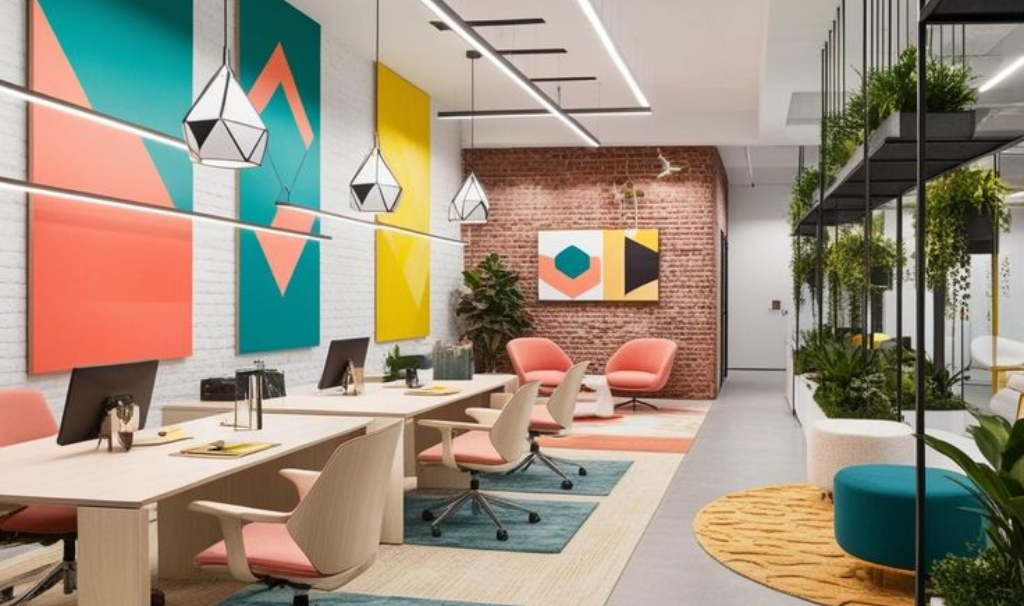
Office interior design is not just about furniture and layouts anymore. Today, companies understand that the colors used in an office directly affect employee mood, focus, and productivity. This is where color psychology in office interior design plays an important role.
Color psychology explains how different colors influence human behavior and emotions. When used correctly in office interiors, colors can improve concentration, reduce stress, boost creativity, and create a positive work environment. That’s why modern businesses, HR teams, architects, and interior designers carefully plan office color schemes.
This article explains how color psychology works in office spaces, which colors are best for productivity, and how businesses can use them effectively.
Why Color Psychology Is Important in Office Interior Design?
Employees spend most of their day inside offices. The colors around them affect how they feel and perform at work. Poor color choices can make employees feel tired, stressed, or distracted. On the other hand, the right office colors improve efficiency, motivation, and mental comfort.
Companies searching for office interior designers, commercial interior solutions, or workplace design experts now focus on color planning as a key factor. A well-designed office with balanced colors supports employee well-being and business growth.
1.Blue Color: Best for Focus and Work Efficiency
Blue is one of the most popular colors in corporate office interior design. It creates a calm and professional atmosphere. Blue helps employees stay focused and reduces anxiety, making it ideal for workstations, conference rooms, and executive offices.
Light blue shades make offices feel open and fresh, while darker blues reflect trust and stability. Many IT companies, financial firms, and corporate offices prefer blue because it supports long working hours and improves concentration.
2.Green Color: Reduces Stress and Improves Balance
Green is closely connected to nature and relaxation. It is one of the best colors for employee well-being in office design. Green helps reduce eye strain and mental fatigue, especially for employees who work long hours on screens.
Green works well in open offices, coworking spaces, and wellness areas. When combined with indoor plants and natural lighting, green creates a healthy and refreshing work environment. Companies focusing on sustainable and biophilic office design often use green shades.
3.Yellow Color: Encourages Creativity and Positivity
Yellow represents energy, creativity, and optimism. It stimulates thinking and is perfect for brainstorming and creative areas. Offices that focus on design, marketing, media, or innovation often use yellow as an accent color.
However, yellow should be used carefully. Very bright or excessive yellow can cause irritation. Soft yellow shades or small accents work best in collaboration zones, meeting rooms, and informal discussion areas.
4.Red Color: Adds Energy but Needs Careful Use
Red is a strong and energetic color. It increases alertness and excitement. In office interiors, red works best in break areas, cafeterias, or fitness zones rather than work desks.
Too much red in workspaces can increase stress and reduce focus. When used in limited amounts - like chairs, wall art, or branding - it adds energy and confidence to office interiors.
5.White and Neutral Colors: Clean and Professional Look
White, grey, beige, and neutral tones are the foundation of modern office interior design. These colors make offices look clean, spacious, and well-organized. White reflects light and helps small offices appear bigger.
Neutral colors also allow flexibility. Companies can easily add accent colors, branding elements, or new furniture without redesigning the entire office. To avoid a dull or boring look, neutral offices should include textures, lighting, and warm accent shades.
6.Purple Color: Supports Innovation and Premium Feel
Purple is a mix of calm and creativity. Light purple shades encourage imagination and relaxed thinking, while dark purple gives a premium and luxurious feel. This color is often used in creative studios, innovation labs, and leadership zones.
Purple should be used in moderation, as too much can feel heavy. When balanced with neutral tones, it adds uniqueness and character to office interiors.
Choosing the Right Colors for Different Office Areas
A smart office design uses different colors for different zones:
Workstations: Blue and green for focus and comfort
Meeting rooms: Neutral colors with subtle accents
Creative zones: Yellow or purple for innovation
Break areas: Red or warm colors for energy and relaxation
Reception areas: Brand colors mixed with neutral shades
This approach ensures that office colors support both productivity and employee experience.
Office Colors and Brand Identity
Office interiors also reflect a company’s brand image. Colors should match brand values and company culture. Startups often use bold and vibrant colors, while corporate offices prefer professional and subtle tones.
When businesses search for commercial office interior designers or design and build office solutions, they expect color planning that aligns with their brand while maintaining employee comfort.
Conclusion:
Color psychology plays a powerful role in office interior design and workplace productivity. The right colors improve focus, reduce stress, encourage creativity, and create a positive work environment. Offices designed with thoughtful color planning help employees perform better and feel more connected to their workplace.
Choosing the correct office colors is not just a design choice - it is a business strategy that supports long-term success.
Frequently Asked Questions (FAQs)
1. What is color psychology in office interior design?
Color psychology studies how colors affect emotions and behavior. In office interiors, it helps improve productivity, focus, and employee well-being through smart color choices.
2. Which color is best for office productivity?
Blue and green are considered the best colors for productivity as they improve focus, reduce stress, and support long working hours.
3. Can office colors really affect employee performance?
Yes, office colors directly impact mood, energy levels, and concentration, which affects overall employee performance.
4. How should brand colors be used in office interiors?
Brand colors should be used as accents and design elements without overpowering the workspace, maintaining balance and comfort.
5. Is white color good for office interiors?
Yes, white creates a clean and professional look, but it should be combined with warm accents and textures to avoid a dull environment.